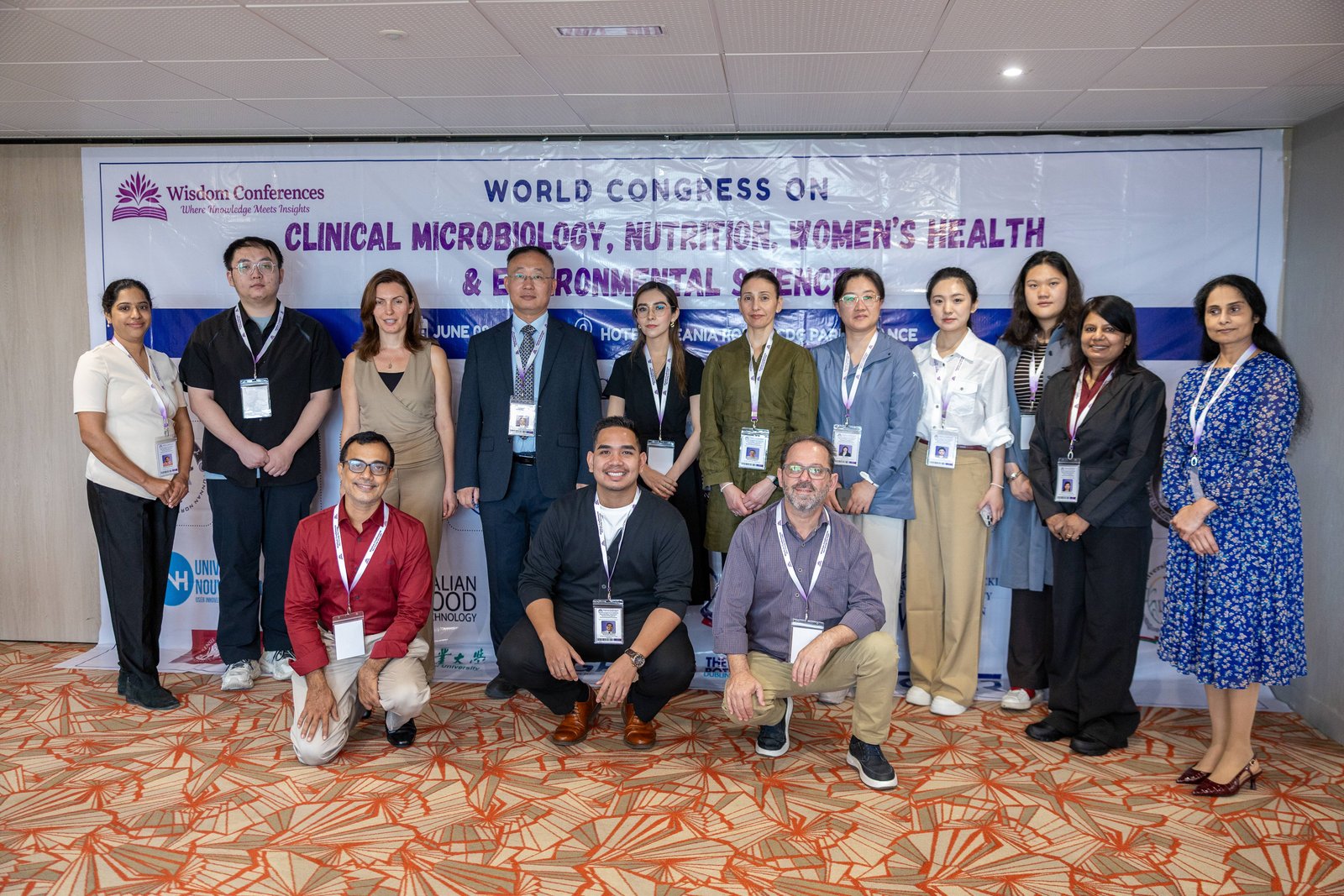
<p>The World Conference on Clinical Microbiology and Infectious Diseases was successfully held from June 08–09, 2026, in Paris, France, bringing together leading microbiologists, infectious disease specialists, researchers, clinicians, and industry experts from around the world. Conducted in both in-person and hybrid formats, the conference provided an exceptional platform for scientific exchange, collaboration, and innovation. <br><br>Under the theme, "Microbes Matter: Unraveling Microbiome's Influence on Human Well-being," participants explored the latest developments in clinical microbiology, emerging infectious diseases, antimicrobial resistance, microbiome research, and advanced diagnostic and therapeutic approaches through engaging keynote sessions, presentations, and discussions.</p>
<p>The conference concluded with tremendous success, fostering valuable collaborations and inspiring new research initiatives. We sincerely thank all our speakers, delegates and organizing committee for making this event a remarkable achievement.</p>
Advances in antimicrobial resistance (AMR) research have gained significant attention due to the growing threat of resistant infections worldwide. Scientists are exploring innovative approaches to tackle AMR, focusing on developing new antibiotics, improving the use of existing drugs, and identifying alternative therapies. Research has led to the discovery of novel compounds, including...
Next-Generation Sequencing (NGS) has revolutionized clinical microbiology by providing a rapid, high-throughput method for detecting and analyzing microbial DNA. Unlike traditional culture-based techniques, which can be time-consuming and limited in scope, NGS allows for the simultaneous identification of a wide range of pathogens, including bacteria, viruses, fungi, and parasites,...
Molecular diagnostics in infectious diseases refer to the use of advanced laboratory techniques, such as polymerase chain reaction (PCR), sequencing, and nucleic acid amplification tests, to detect the genetic material of pathogens responsible for infections. These methods offer several advantages over traditional diagnostic approaches, including higher sensitivity, specificity, and the ability...
The human microbiome plays a crucial role in maintaining overall health by influencing various physiological processes. Comprising trillions of microorganisms, including bacteria, viruses, fungi, and other microbes, the microbiome exists predominantly in the gut but also on the skin, respiratory tract, and other parts of the body. These microorganisms assist in digesting food, synthesizing...
Medical microbiology is the study of microorganisms that cause diseases in humans, focusing on diagnosis, treatment, and prevention of infections. It helps develop vaccines, antimicrobial therapies, and diagnostic tools. Medical devices are instruments used to diagnose, monitor, or treat medical conditions, ranging from simple tools to complex machines. These devices must be...
Microbial genetics and genomics are fields of study focused on understanding the genetic makeup and functions of microorganisms, including bacteria, viruses, fungi, and archaea. Microbial genetics involves the study of genes, their structure, function, and inheritance in microbes, exploring mechanisms like gene transfer, mutation, and regulation. This helps in understanding microbial...
Drug discovery for new antimicrobial agents is a critical process in combating the growing threat of antibiotic resistance. It begins with the identification of potential targets, such as bacterial enzymes or proteins essential for the microorganism’s survival. Researchers then explore various chemical libraries or employ high-throughput screening methods to find compounds that can...
Microbial-based vaccines and therapeutics leverage microorganisms or their components to prevent or treat diseases. These vaccines typically use attenuated or inactivated forms of pathogens, or parts of pathogens like proteins or lipids, to stimulate an immune response without causing disease. The goal is to train the immune system to recognize and fight off future infections. Microbial-...








The World Conference on Clinical Microbiology and Infectious Diseases was successfully hosted at Hôtel Oceania Paris Roissy CDG, conveniently located near Paris Charles de Gaulle (CDG) Airport, France. The venue provided modern conference facilities, including fully equipped meeting rooms, high-speed Wi-Fi, advanced audiovisual systems, dedicated networking spaces, on-site dining, and wellness amenities. Participants enjoyed comfortable accommodation with breakfast, along with refreshments, coffee breaks, and lunch throughout the conference. The excellent venue, professional services, and welcoming atmosphere contributed significantly to the overall success of the event, providing an ideal setting for scientific discussions, collaboration, and networking among delegates from around the world.
"I am truly honored to be part of this prestigious conference and to join such an accomplished international community of speakers and researchers. It is a privilege to share knowledge, exchange ideas, and engage with experts from around the world. I look forward to the insightful discussions, valuable networking opportunities, and meaningful collaborations that this conference will inspire. I am confident that the exchange of innovative research and diverse perspectives will contribute to advancing our field and fostering future interdisciplinary partnerships. Thank you once again for this wonderful opportunity. I am pleased to have participated in such a successful and impactful conference."
"I am truly honored to be part of this prestigious conference and to join such an accomplished international community of speakers and researchers. It is a privilege to share knowledge, exchange ideas, and engage with experts from around the world. I look forward to the insightful discussions, valuable networking opportunities, and meaningful collaborations that this conference will inspire. I am confident that the exchange of innovative research and diverse perspectives will contribute to advancing our field and fostering future interdisciplinary partnerships. Thank you once again for this wonderful opportunity. I am pleased to have participated in such a successful and impactful conference."
"I am thrilled to have the opportunity to attend the event "World Conference on Clinical Microbiology and Infectious Diseases" scheduled to be held in the Vibrant City of Paris France from June 08-10, 2026. It is indeed an honour to be included in such a significant gathering, and I am looking forward to connecting with other participants and sharing insights Thank You for extending this invitation to me I am genuinely excited and grateful for the opportunity, and I am eagerly looking forward to attending the event Thank You once again for including me I am confident that this will be valuable and enriching experience"
"I am thrilled to have the opportunity to attend the event "World Conference on Clinical Microbiology and Infectious Diseases" scheduled to be held in the Vibrant City of Paris France from June 08-10, 2026. It is indeed an honour to be included in such a significant gathering, and I am looking forward to connecting with other participants and sharing insights Thank You for extending this invitation to me I am genuinely excited and grateful for the opportunity, and I am eagerly looking forward to attending the event Thank You once again for including me I am confident that this will be valuable and enriching experience"
“We’re Here To Redefine The Conference, Making It Not Just Informative But Truly Inspiring And Memorable Conference.”