Theme: Transforming Healthcare Through AI, Digital Health & Precision Medicine

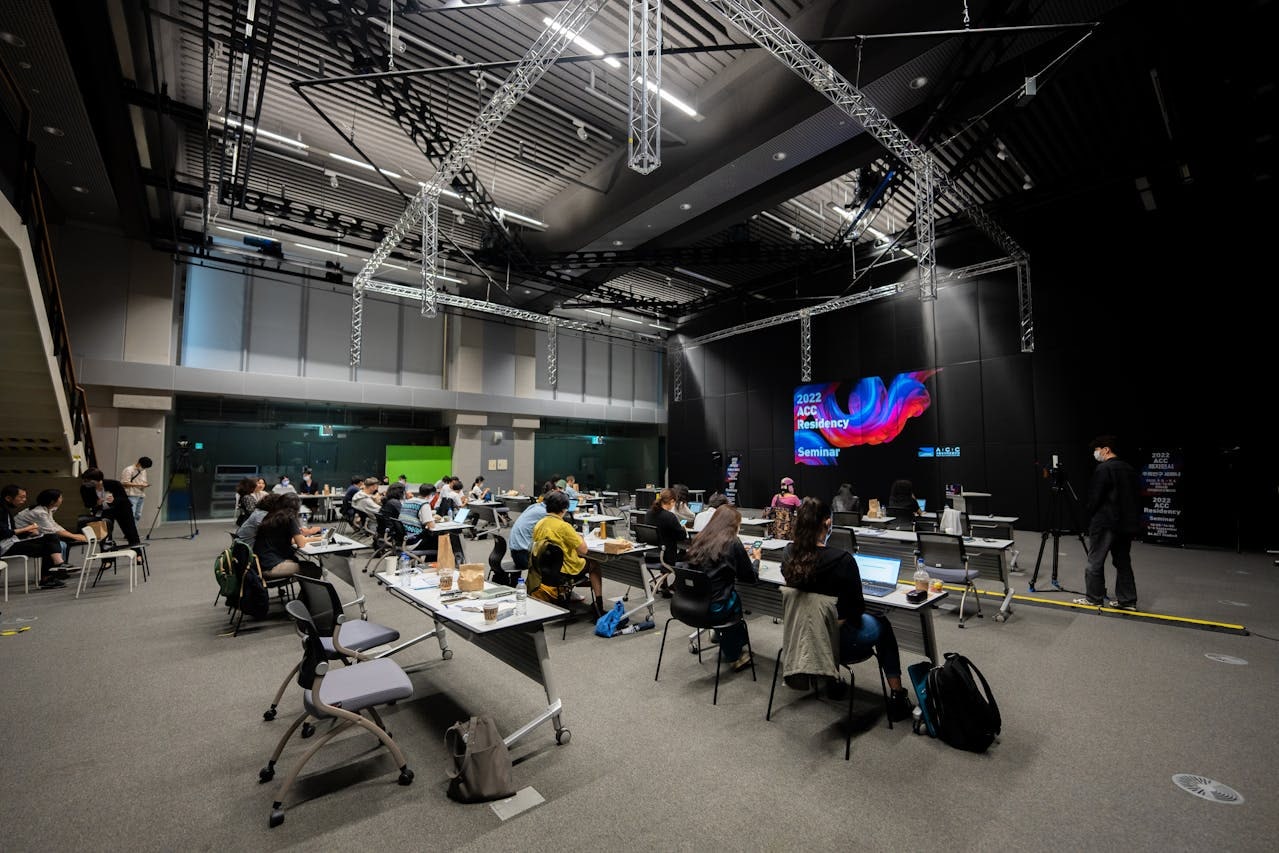
The World Congress on AI, Digital Health & Precision Medicine is an internationally recognized event designed to bring together healthcare professionals, researchers, academicians, scientists, innovators, technology experts, and industry leaders from around the world to discuss the latest breakthroughs and future directions in healthcare innovation. Taking place in the vibrant city of Singapore from June 7–8, 2027, the congress will serve as a global forum for sharing knowledge, research findings, and advanced technologies that are reshaping modern medicine through artificial intelligence and digital transformation. Centered around the theme “Transforming Healthcare Through AI, Digital Health & Precision Medicine,” the conference highlights the growing role of intelligent technologies, personalized treatments, data-driven healthcare systems, and digital solutions in improving patient care and medical outcomes worldwide.
This congress aims to encourage collaboration between academia, healthcare institutions, research organizations, and industry to accelerate innovation and create smarter, more accessible, and patient-centered healthcare systems. Join leading experts and innovators in Singapore to explore groundbreaking advancements and shape the future of global healthcare through AI-powered and precision-driven medical technologies.
Artificial Intelligence (AI) helps improve healthcare by assisting doctors in diagnosing diseases, analyzing medical data, and providing better patient care. It increases accuracy, saves time, and supports faster treatment decisions. AI is also used in medical imaging, drug development, and health monitoring.
Machine Learning (ML) is a branch of AI that enables computers to learn from data and make predictions. In healthcare, ML is used for disease diagnosis, predicting patient outcomes, analyzing medical images, and recommending treatments. It helps improve accuracy, efficiency, and decision-making in clinical practice.
Digital health technologies use digital tools and devices to improve healthcare services. These include telemedicine, mobile health apps, wearable devices, electronic health records, and AI-based systems. They help monitor health, provide remote care, improve communication, and enhance patient outcomes.
Precision and personalized medicine tailor healthcare to individual patients based on their genes, lifestyle, and environment. It helps doctors choose the most effective treatments for each person instead of a general approach. This improves treatment success, reduces side effects, and enhances overall patient care.
AI in medical imaging and diagnostics helps analyze X-rays, CT scans, MRI, and other medical images to detect diseases quickly and accurately. It assists doctors in identifying conditions like cancer, fractures, and brain disorders at early stages. This improves diagnosis speed, reduces human error, and supports better treatment decisions.
Genomics is the study of an organism’s complete set of DNA (genome). It helps understand how genes affect health and disease. Precision genomics uses this genetic information to provide personalized diagnosis, treatment, and prevention strategies for individuals. It improves accuracy in identifying diseases and supports targeted therapies.






“We’re Here To Redefine The Conference, Making It Not Just Informative But Truly Inspiring And Memorable Conference.”