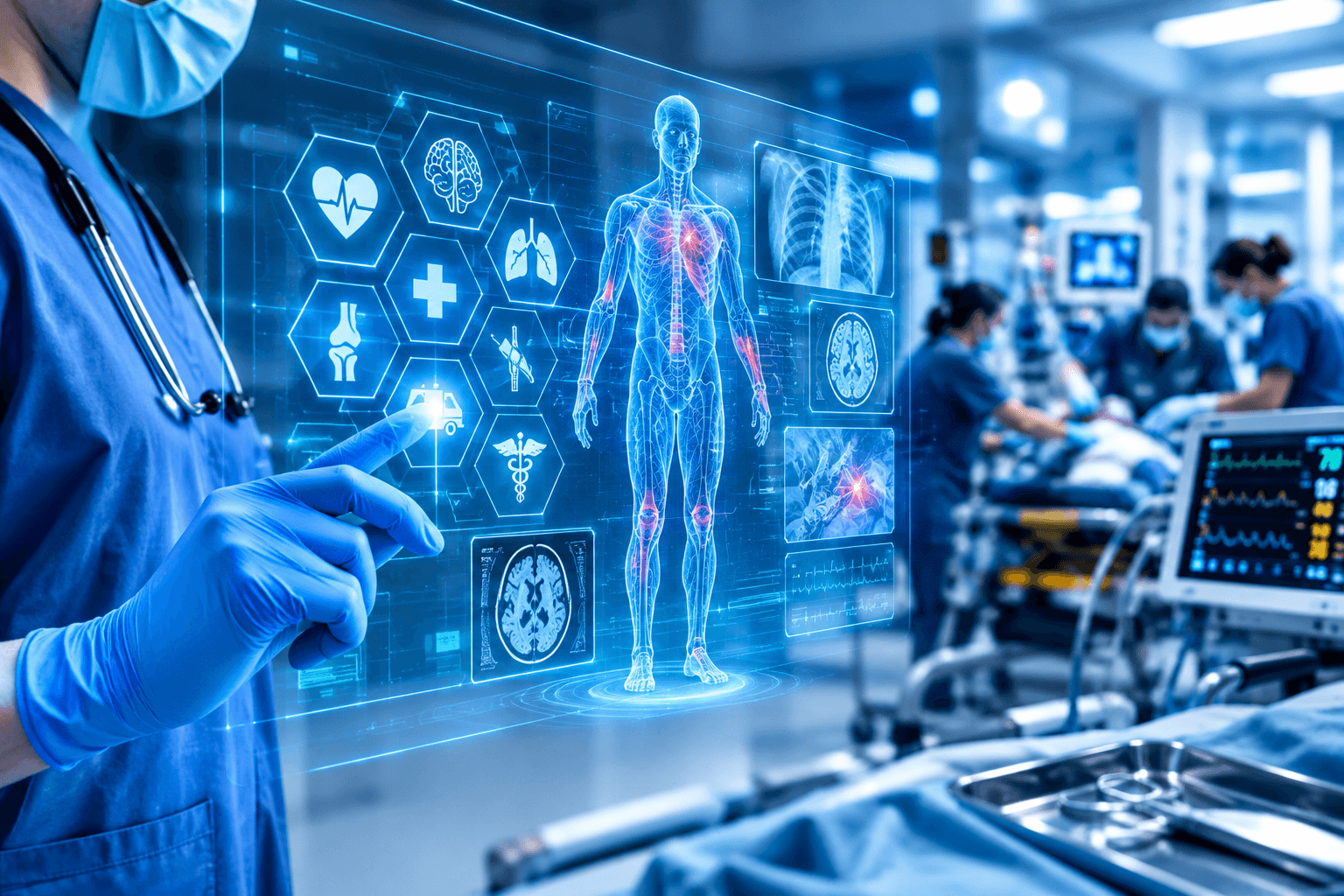
The World Conference on Emergency Medicine, Trauma & Critical Care 2027, organized by Wisdom Conferences, is an internationally recognized scientific event dedicated to advancing innovation, collaboration, and excellence in emergency healthcare and critical care medicine. The conference will take place in Milan, Italy, from October 18–20, 2027, bringing together global experts, clinicians, researchers, academicians, emergency responders, and healthcare professionals from across the international medical community. This premier congress provides a dynamic platform for sharing the latest scientific discoveries, emerging technologies, and clinical advancements shaping the future of emergency medicine, trauma surgery, intensive care, disaster response, and patient safety. Theme: Advancing Emergency Medicine & Critical Care Through Innovation, Rapid Response, and Life-Saving Technologies.
The conference will feature keynote lectures, scientific sessions, panel discussions, workshops, poster presentations, simulation programs, and networking opportunities designed to encourage knowledge exchange and interdisciplinary collaboration. The scientific agenda covers a wide range of emergency medicine topics including trauma care, emergency surgery, intensive care medicine, resuscitation science, disaster medicine, pre-hospital emergency care, cardiac emergencies, sepsis management, AI in emergency medicine, tele-critical care, emergency nursing, pediatric emergencies, and advanced life support systems. Participants will gain valuable insights into current challenges and future directions in emergency response systems, critical care technologies, and patient-centered emergency healthcare.
The conference also provides an exceptional opportunity for delegates to connect with internationally renowned clinicians, healthcare innovators, medical technology experts, researchers, and industry leaders while exploring collaborative research opportunities and professional partnerships. Hosted in the world-class city of Milan, Italy, the congress combines scientific excellence with cultural richness, offering attendees an inspiring environment for academic learning, networking, and global engagement.
Join us from October 18–20, 2027, in Milan, Italy, and become part of a transformative international platform committed to advancing emergency medicine, trauma management, and critical care worldwide.
Emergency medicine, trauma care, and critical care medicine are essential pillars of modern healthcare systems, responsible for saving millions of lives every year through rapid diagnosis, immediate intervention, and advanced life-support management.
The increasing global burden of traumatic injuries, cardiovascular emergencies, infectious diseases, natural disasters, mass casualty incidents, and critical illnesses highlights the urgent need for continuous advancements in emergency response systems, intensive care technologies, and evidence-based clinical practices.
The topic of Emergency Medicine, Trauma & Critical Care is critically important because it drives improvements in patient stabilization, emergency preparedness, trauma resuscitation, critical care management, and survival outcomes across diverse healthcare settings.
Rapid progress in areas such as artificial intelligence, telemedicine, emergency imaging, robotic-assisted procedures, point-of-care diagnostics, advanced monitoring systems, simulation-based training, and precision critical care is transforming emergency healthcare worldwide.
In addition, emergency and trauma research plays a vital role in addressing major healthcare challenges including sepsis, organ failure, hemorrhage control, emergency surgical interventions, disaster response, and equitable access to emergency care services.
The International Conference on Emergency Medicine, Trauma & Critical Care 2027 in Milan, Italy, serves as an important international platform for clinicians, researchers, emergency responders, healthcare professionals, academicians, and industry leaders to exchange knowledge, share groundbreaking discoveries, and foster collaborations that contribute to the future advancement of emergency and critical care medicine.
By promoting scientific innovation and multidisciplinary collaboration, this conference aims to support the development of more effective, accessible, and patient-centered emergency healthcare solutions worldwide.
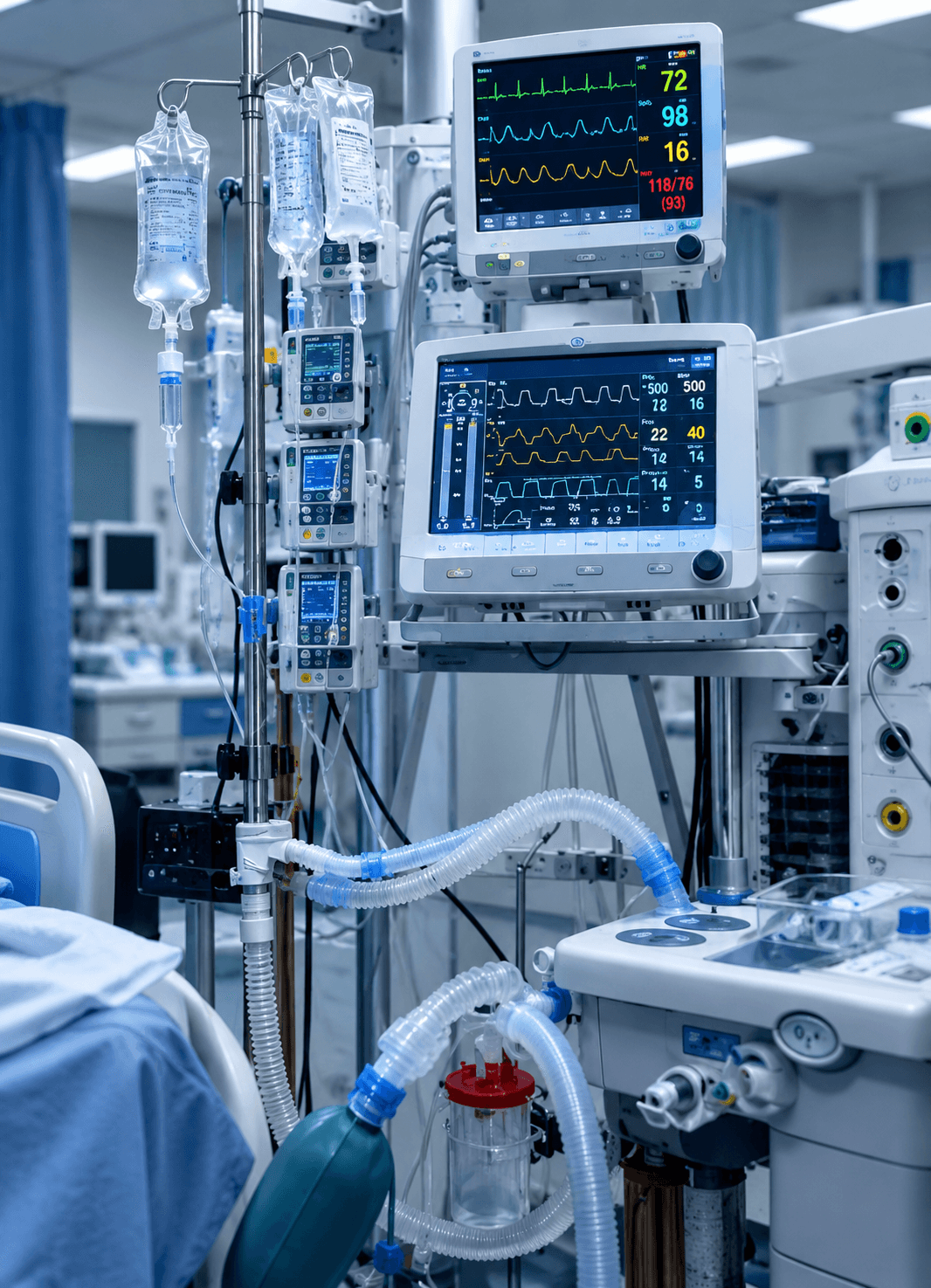
Emergency medicine and critical care are rapidly evolving fields focused on improving rapid diagnosis, emergency intervention, trauma management, patient stabilization, and survival outcomes. These specialties address major global healthcare challenges including trauma injuries, cardiac emergencies, respiratory failure, sepsis, neurological crises, pandemics, and disaster response management.
Continuous advancements in emergency imaging, AI-assisted diagnostics, advanced life support, tele-critical care, minimally invasive procedures, robotic technologies, simulation-based medical education, and personalized intensive care are transforming emergency healthcare systems and improving patient outcomes.
The field strongly emphasizes rapid response, multidisciplinary teamwork, technological innovation, patient safety, and evidence-based clinical practice, playing a vital role in shaping the future of modern healthcare and emergency preparedness worldwide.
Reasons to Attend the Emergency Medicine, Trauma & Critical Care 2027
Learn from globally recognized emergency physicians, trauma specialists, and keynote speakers
Explore the latest innovations in emergency medicine, trauma surgery, and intensive care
Present and showcase your research to an international scientific audience
Connect with healthcare professionals, clinicians, academicians, researchers, and industry leaders
Gain insights into emerging technologies and future trends in emergency healthcare
Enhance clinical expertise, scientific knowledge, and professional skills
Discover collaborative research, networking, and healthcare innovation opportunities
Experience a world-class scientific event in Milan, Italy