Theme: Innovating Forensic Science: Bridging Technology, Investigation, and Justice

The Forensic Researcher Conference will take place from November 09-11, 2026, in the vibrant city of Rome, Italy. This prestigious event brings together leading experts, researchers, clinicians, and scholars in the fields of forensic science and criminal investigations from around the world. The conference will serve as a global platform to discuss the latest advancements in forensic methodologies, crime scene analysis, and investigative technologies. Attendees will have the opportunity to explore groundbreaking scientific discoveries, innovative forensic techniques, and novel approaches to criminal investigations, with the ultimate aim of strengthening justice and law enforcement.
With the theme “Innovating Forensic Science: Bridging Technology, Investigation, and Justice,” the event will highlight cutting-edge developments in the field, providing insights into emerging forensic technologies, digital forensics, and breakthroughs in criminal investigations. The conference will feature a diverse range of sessions, including keynote presentations, panel discussions, workshops, and poster exhibitions. Participants will also benefit from interactive discussions on the most pressing challenges and future directions in forensic research.
The Forensic Researcher Conference is an exceptional opportunity for professionals to network, collaborate, and exchange knowledge, contributing to the global advancement of forensic science. Join us in Rome for this transformative event and be part of shaping the future of forensic research and investigation.
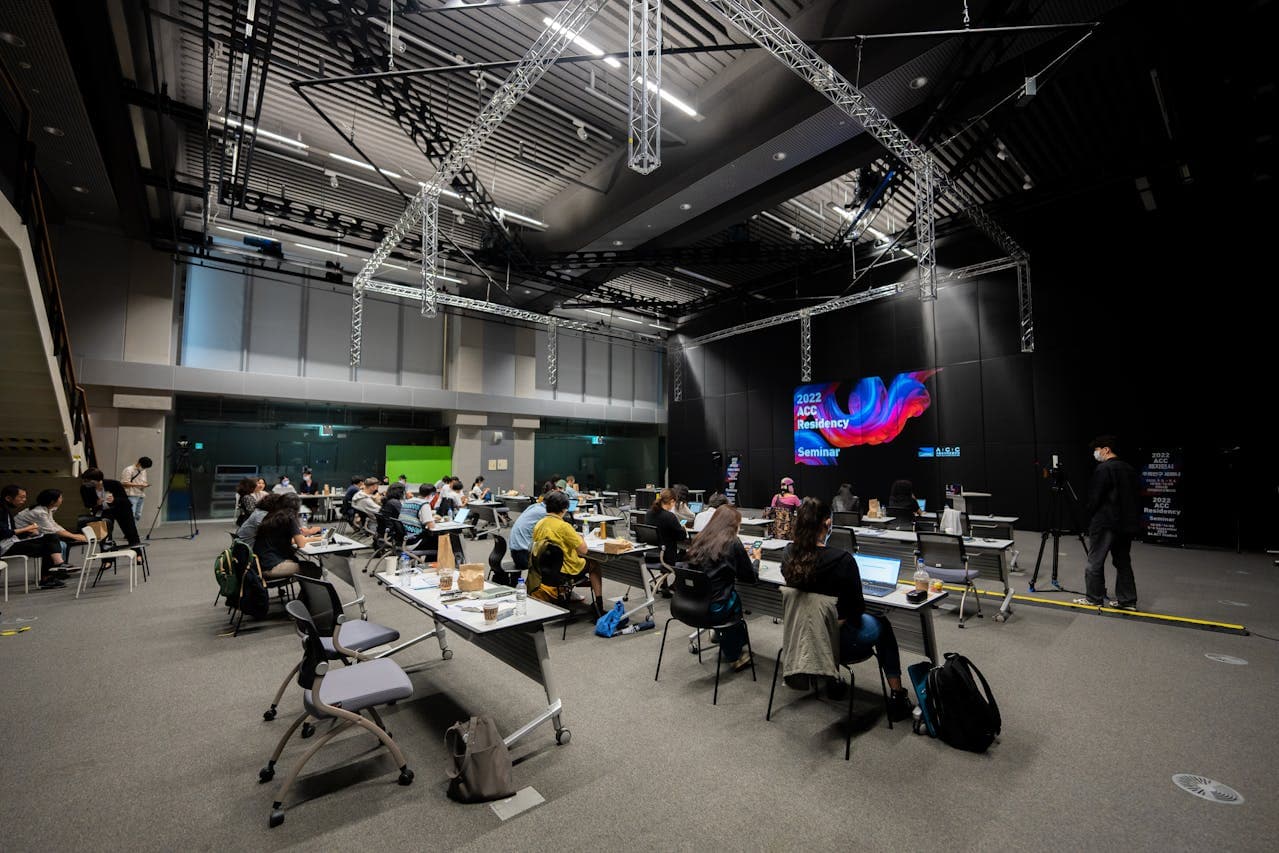

Advancements in DNA analysis, including next-generation sequencing and CRISPR, enable precise genetic profiling. Improved PCR detects minute samples, while bioinformatics analyzes large datasets, advancing personalized medicine, forensic investigations, genealogy research, and innovations in healthcare and evolutionary studies.
Forensic toxicology detects and analyzes drugs and poisons in biological samples using techniques like GC-MS and LC-MS/MS. It helps determine cause of death, substance abuse, and impairment, supporting criminal investigations, autopsies, workplace testing, and legal proceedings.
Digital evidence includes data from emails, devices, and cloud systems used in cybercrime investigations. Experts analyze, preserve, and recover information to trace hacking, fraud, and identity theft, using AI and blockchain tools while ensuring legal integrity and admissibility.
Crime scene investigation involves systematically collecting, documenting, and analyzing evidence such as fingerprints, DNA, and bloodstains. Tools like luminol aid detection, while maintaining chain of custody and using advanced forensic methods ensures accurate reconstruction and supports justice.
Human identification uses DNA, fingerprints, dental records, and skeletal features to identify individuals. Forensic anthropology analyzes remains to determine age, sex, and ancestry, contributing to criminal investigations, archaeology, and understanding human evolution and biological diversity.
Forensic science faces challenges like evidence admissibility, human error, and chain of custody issues. Ethical concerns include bias and DNA privacy. Ensuring accuracy, impartiality, and proper procedures is essential to prevent wrongful convictions and maintain public trust.









“We’re Here To Redefine The Conference, Making It Not Just Informative But Truly Inspiring And Memorable Conference.”