Theme: Reimagining Global Health: Smart Public Health Systems for a Sustainable Future
The World Conference on Public Health & Global Healthcare Systems will be held from September 27–29, 2027, in Barcelona, Spain, bringing together global healthcare leaders, policymakers, researchers, public health professionals, and industry experts. Under the theme “Reimagining Global Health: Smart Public Health Systems for a Sustainable Future,” the congress aims to address key challenges and opportunities in modern healthcare through innovation, collaboration, and evidence-based strategies.
The event will focus on important topics including public health policy, epidemiology, healthcare management, universal health coverage, preventive medicine, health equity, digital health, and emerging healthcare technologies. It provides a valuable platform for knowledge sharing, networking, and interdisciplinary collaboration, enabling participants to explore innovative solutions and contribute to the development of resilient, accessible, and sustainable healthcare systems worldwide.

Global disease surveillance involves monitoring and tracking the spread of diseases across populations and countries. Risk intelligence uses data analysis, AI, and modeling to predict outbreaks and assess health risks. Together, they help detect epidemics early, improve response planning, and protect public health worldwide.
Health security and emergency preparedness involve planning and actions to protect people from health threats like disease outbreaks, natural disasters, and pandemics. It includes early warning systems, rapid response teams, medical supplies management, and coordinated healthcare services. These measures help reduce risks, save lives, and ensure quick recovery during emergencies.
Outbreak analytics uses data, AI, and epidemiological tools to track and predict the spread of infectious diseases. It helps identify patterns, hotspots, and transmission rates quickly. Rapid response strategies involve immediate actions like isolation, vaccination, testing, and medical deployment to control the outbreak. Together, they help reduce disease spread and protect public health.
Crisis management and leadership in emergencies involve planning, organizing, and guiding responses during disasters, pandemics, or other urgent situations. Effective leaders make quick decisions, coordinate resources, and communicate clearly to reduce harm. This ensures timely action, minimizes damage, and helps communities recover faster.
Community wellbeing and social development focus on improving the quality of life of people in a society. It includes access to healthcare, education, employment, safety, and social support. Strong community programs promote equality, reduce poverty, and encourage social inclusion, leading to healthier and more sustainable communities.
Urban health focuses on improving health and wellbeing in cities through better infrastructure, sanitation, and healthcare access. Smart living environments use technology like IoT, sensors, and data systems to manage traffic, pollution, energy, and public services. Together, they create safer, healthier, and more sustainable urban life.


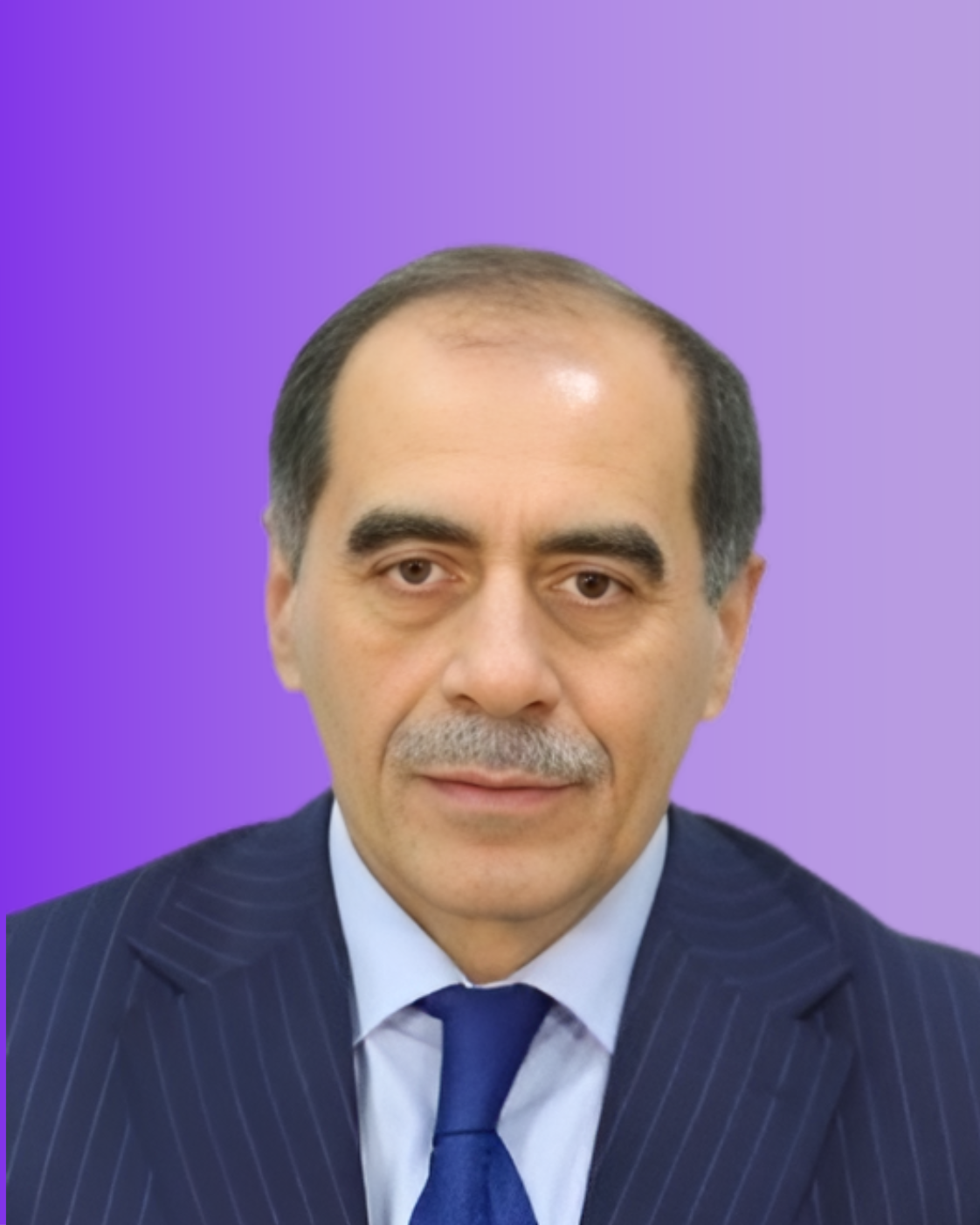




















































“We’re Here To Redefine The Conference, Making It Not Just Informative But Truly Inspiring And Memorable Conference.”