Theme: Transforming Medicine at the Frontiers of Stem Cells, Regenerative Medicine & Virology
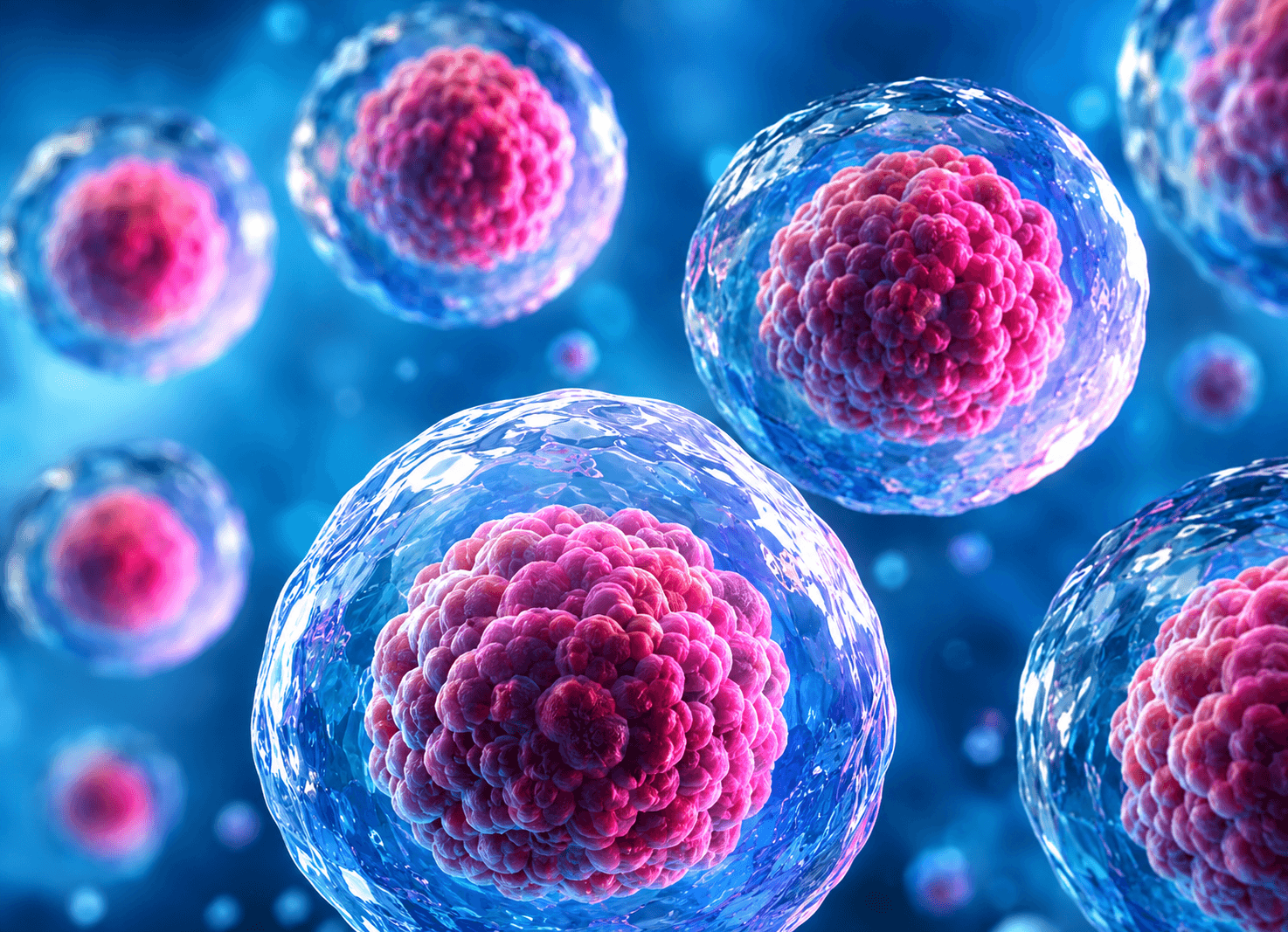
The International Conference on Stem Cell, Regenerative Medicine & Virology is a premier global scientific gathering bringing together leading researchers, clinicians, academicians, and industry experts to explore cutting-edge advancements in biomedical sciences. The conference aims to foster interdisciplinary collaboration and accelerate translational research that bridges laboratory discoveries with clinical applications. It provides a dynamic platform to discuss breakthroughs that are shaping the future of human health and disease management.
Held in Rome, Italy, from March 8–10, 2027, the conference will feature keynote lectures, plenary sessions, panel discussions, and research presentations covering emerging trends in stem cell biology, regenerative medicine, and virology. With the theme “Transforming Medicine at the Frontiers of Stem Cells, Regenerative Medicine & Virology”, the event emphasizes innovation, scientific integration, and next-generation healthcare solutions aimed at transforming medical practice worldwide.
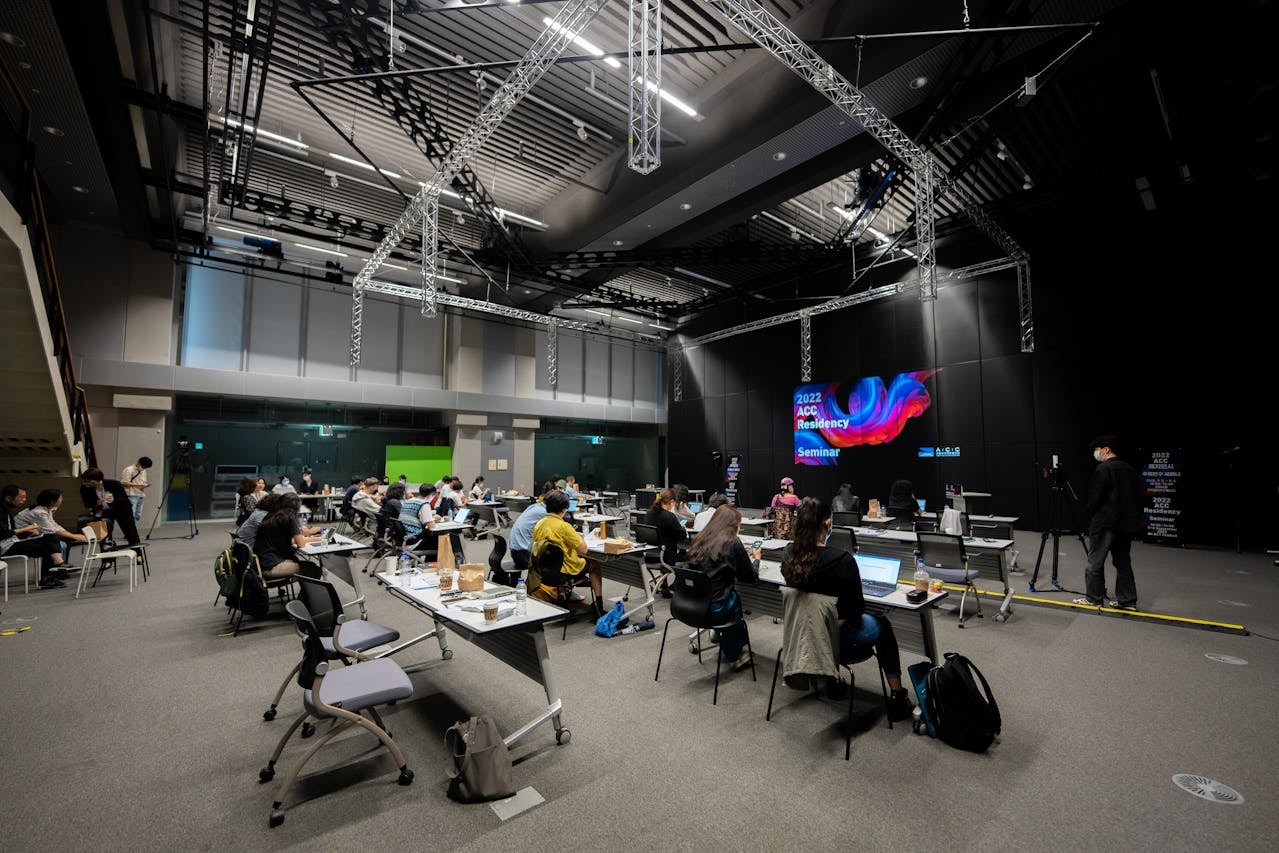

Stem cell science studies cells that can turn into different body cells and help repair tissues. In the future, it may be used to treat diseases like cancer, diabetes, and neurological disorders, and to develop regenerative and personalized medicine.
Cellular reprogramming technologies are methods that convert mature cells into other cell types or stem-cell-like cells. They are used in research, drug testing, and regenerative medicine to help study diseases and repair damaged tissues.
Clinical stem cell therapy applications involve using stem cells to repair or replace damaged tissues in the body. They are used to treat diseases like blood disorders, spinal cord injuries, heart disease, diabetes, and some degenerative conditions, helping restore normal body function.
iPSCs in disease modeling use patient-derived stem cells to create specific cell types that mimic diseases in the lab. This helps scientists study how diseases develop, test drugs, and explore personalized treatments.
Stem Cell Banking and Standards involve collecting, processing, and storing stem cells for future medical use. These cells are preserved in controlled conditions so they can be used later for treatments or research. Standards ensure safety, quality, ethical practices, and proper handling during collection and storage.
Stem Cells in Immune Regulation refers to the role of stem cells in controlling and balancing the immune system. They can help produce new immune cells and also reduce excessive immune responses that cause inflammation or autoimmune diseases. This makes them useful in treating conditions like immune disorders and improving immune system recovery.











































“We’re Here To Redefine The Conference, Making It Not Just Informative But Truly Inspiring And Memorable Conference.”