Theme: Decoding the Brain, Defining the Future: Transforming Neuroscience and Neurology Through Innovation
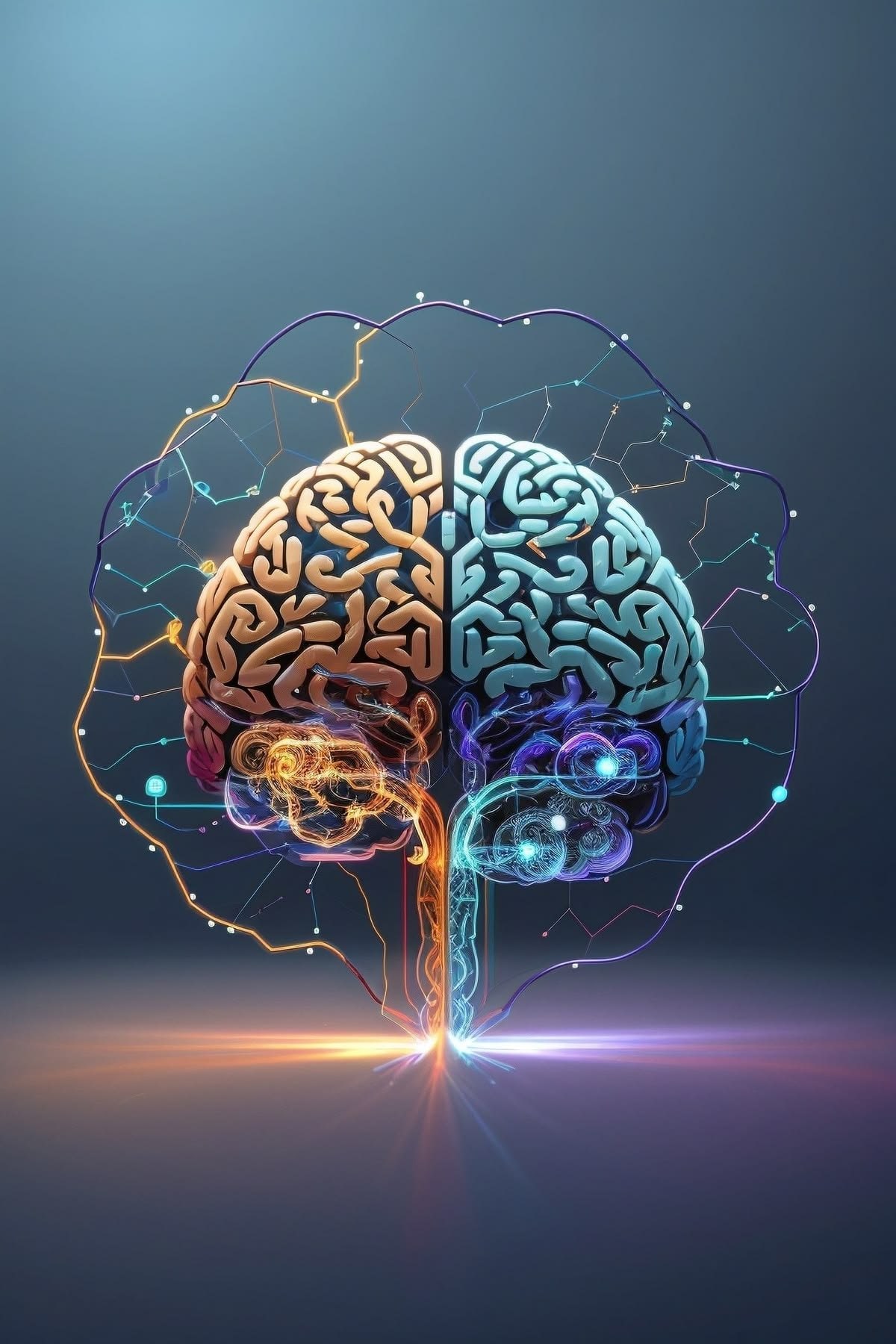
The International Conference on Neuroscience and Neurology brings together leading neurologists, neuroscientists, clinicians, researchers, academicians, healthcare professionals, industry experts, and emerging innovators to explore the rapidly evolving world of brain science and neurological medicine. The conference creates an international platform for exchanging groundbreaking research, clinical knowledge, technological advancements, and innovative approaches that are shaping the future of neuroscience and neurology.
Under the theme “Decoding the Brain, Defining the Future: Transforming Neuroscience and Neurology Through Innovation,” the conference will explore the mysteries of the human brain while highlighting transformative developments in neurological research, diagnosis, treatment, and patient care. Discussions will cover emerging areas including neurotechnology, artificial intelligence, brain-computer interfaces, precision neurology, neuroimaging, neurodegenerative diseases, regenerative medicine, mental and cognitive health, and next-generation therapeutic approaches.
The conference aims to bridge the gap between fundamental neuroscience discoveries and real-world clinical applications, encouraging meaningful collaboration across research, medicine, technology, and industry. Through scientific sessions, expert presentations, interactive discussions, networking opportunities, and knowledge-sharing, participants will gain valuable insights into the innovations driving the next era of brain health.
Join us in Amsterdam, Netherlands, from November 15–17, 2027, and become part of a global scientific gathering dedicated to unlocking new possibilities, advancing neurological care, and defining the future of neuroscience and neurology.

























“We’re Here To Redefine The Conference, Making It Not Just Informative But Truly Inspiring And Memorable Conference.”